
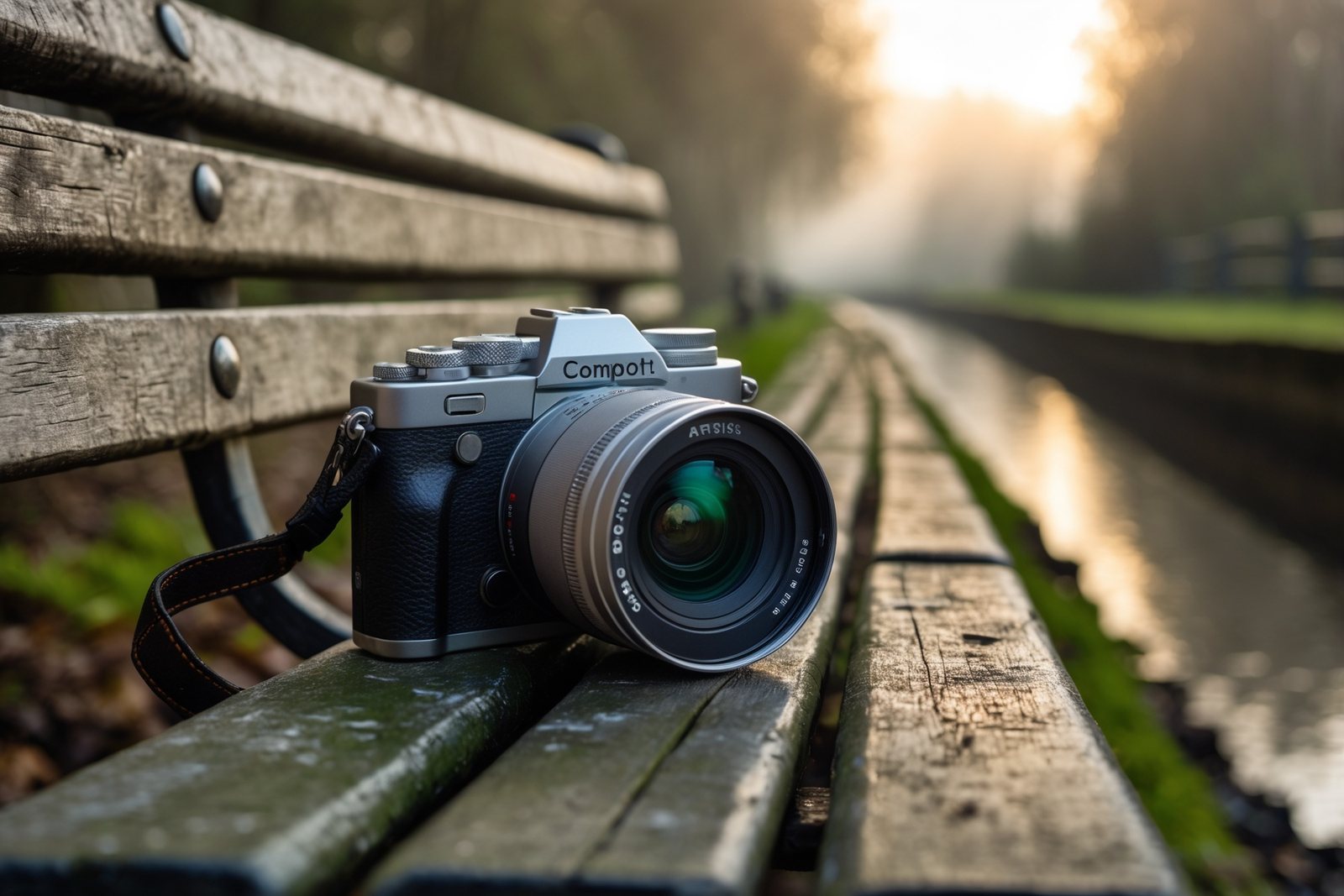
What It Is
Photography is the habit of paying closer attention to light, shadow, and composition wherever you happen to be. You can practise the craft on an afternoon walk through town, in a local park, or at the coast. While magazines spend pages comparing sensor specifications, the real skill lies in deciding what to include in the frame. Understanding how aperture, shutter speed, and sensitivity (ISO) work together gives you full creative control.
What You Need to Start
You can learn composition and light today with a modern smartphone, especially using an app with manual exposure controls. If you prefer dedicated dials and a viewfinder, look for a used digital SLR or compact mirrorless camera. Pair the camera body with a standard 18-55mm zoom lens or a fixed 35mm or 50mm prime lens. Add one spare battery, a reliable SD memory card, a neck strap, and a clean microfibre lens cloth.
What It Costs
Starting with your existing phone costs nothing at all. If you buy a tidy used digital SLR or older mirrorless kit from a specialist UK dealer, expect to pay £180 to £350. Reputable second-hand dealers check the shutter count and usually include a six-month warranty. A spare battery and memory card add £25 to £40, while free desktop software handles cropping and basic exposure adjustments.
Good First Projects
Set yourself tight constraints rather than wandering around without a clear plan. Spend one weekend photographing a single street or park within ten minutes of home during early morning or late afternoon light. For your next outing, leave your zoom set to one focal length — such as 35mm — so you must move your feet to frame shots. Shooting ten simple window-lit portraits of household objects is another fine rainy-day exercise.
Mistakes to Avoid
The classic mistake is blaming your camera when photos look flat and buying new lenses to fix a lighting problem. Harsh midday sun makes subjects look washed out, whereas low morning or evening side light adds depth for free. Avoid leaving your camera on full automatic mode forever; switch to aperture-priority mode early so you control background blur. Finally, keep horizons straight and check the edges of your frame for distracting clutter before pressing the shutter.