
What It Is
Home baking is one of the most practical weekend hobbies because it uses an oven you already own. Unlike everyday cooking, where you can improvise quantities, baking rewards calm preparation and accurate weighing. Once you learn a few core methods — rubbing in fat, creaming butter and sugar, and kneading dough — hundreds of traditional British recipes become straightforward. Better still, every session ends with fresh food to share.
What You Need to Start
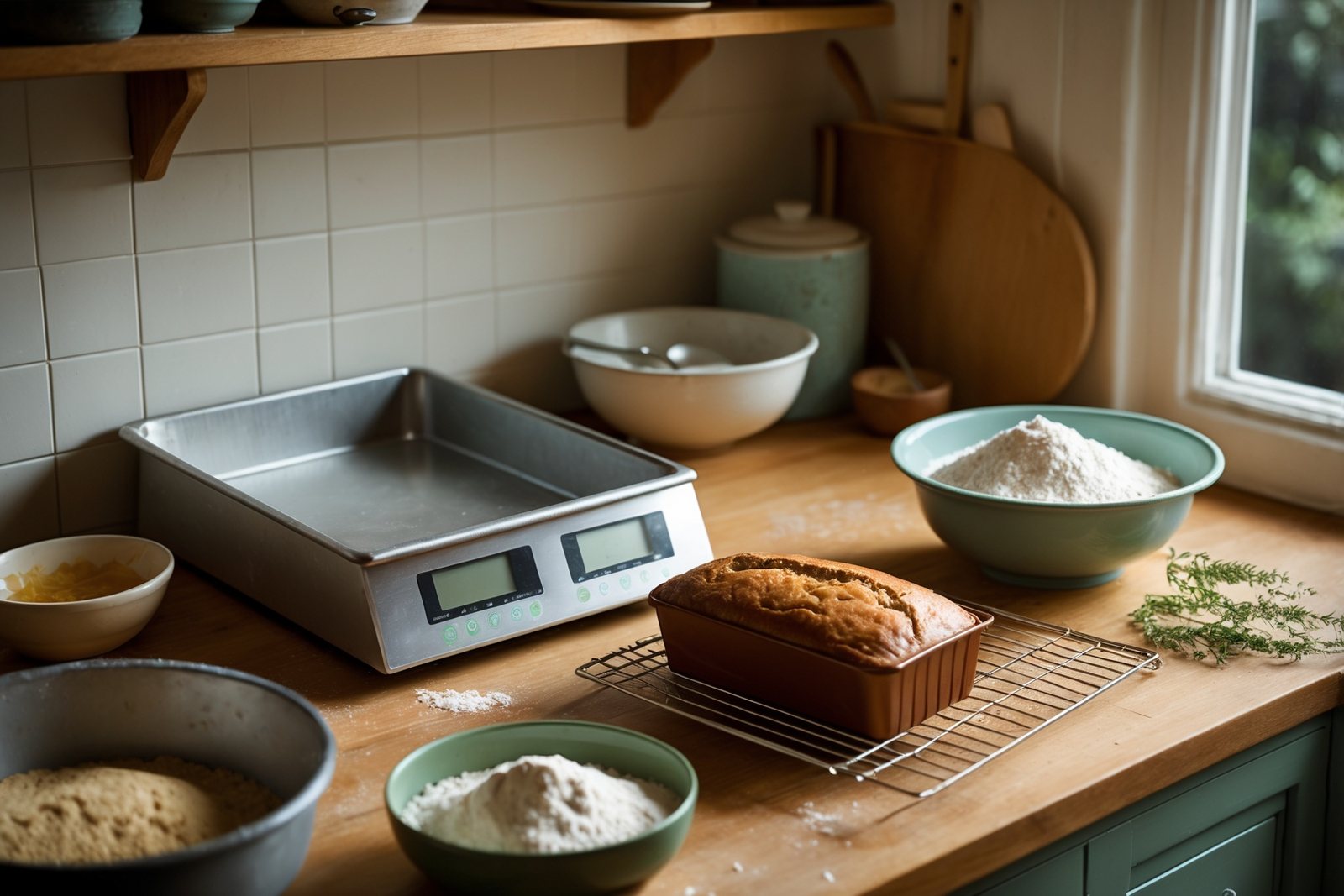
Accurate digital kitchen scales that weigh in single grams are the most important item on the worktop. Beyond scales, gather a large mixing bowl, a wooden spoon, a silicone spatula, a balloon whisk, and a wire cooling rack. Start with three heavy-gauge tins: a 900g (2lb) loaf tin, a 20cm square traybake tin, and a flat baking sheet. An inexpensive oven thermometer is also helpful because domestic oven dials often run ten degrees hot or cold.
What It Costs
If you already own bowls and spoons, buying digital scales, an oven thermometer, a cooling rack, and three tins costs £40 to £70. Avoid wafer-thin bargain tins that warp in the heat and scorch cake edges. Everyday pantry ingredients such as flour, caster sugar, unsalted butter, eggs, and dried yeast cost £2 to £5 per bake. You do not need an expensive electric stand mixer to get started.
Good First Projects
Begin with bakes that rely on simple mixing methods and clear visual cues when done. Cheese or fruit scones take less than thirty minutes from bowl to table and teach light dough handling. Next, try a lemon drizzle traybake or Scottish all-butter shortbread fingers in your square tin. Once you feel comfortable with oven timings, bake a classic white tin loaf using strong bread flour and fast-action yeast.
Mistakes to Avoid
Measuring flour and sugar by cup or spoon volume instead of grams is the quickest route to dry cakes. Using fridge-cold butter and eggs when a sponge recipe asks for room-temperature ingredients will make the batter curdle. Resist opening the oven door during the first twenty minutes of baking a cake, or the middle may sink. Finally, always grease and line cake tins with baking parchment before mixing your batter.
From the blog
- Your First Tin Loaf and Weekend Traybake — Skip complicated sourdough schedules at the start. Master a simple yeasted white tin loaf and an all-in-one traybake to build confidence in your oven.