
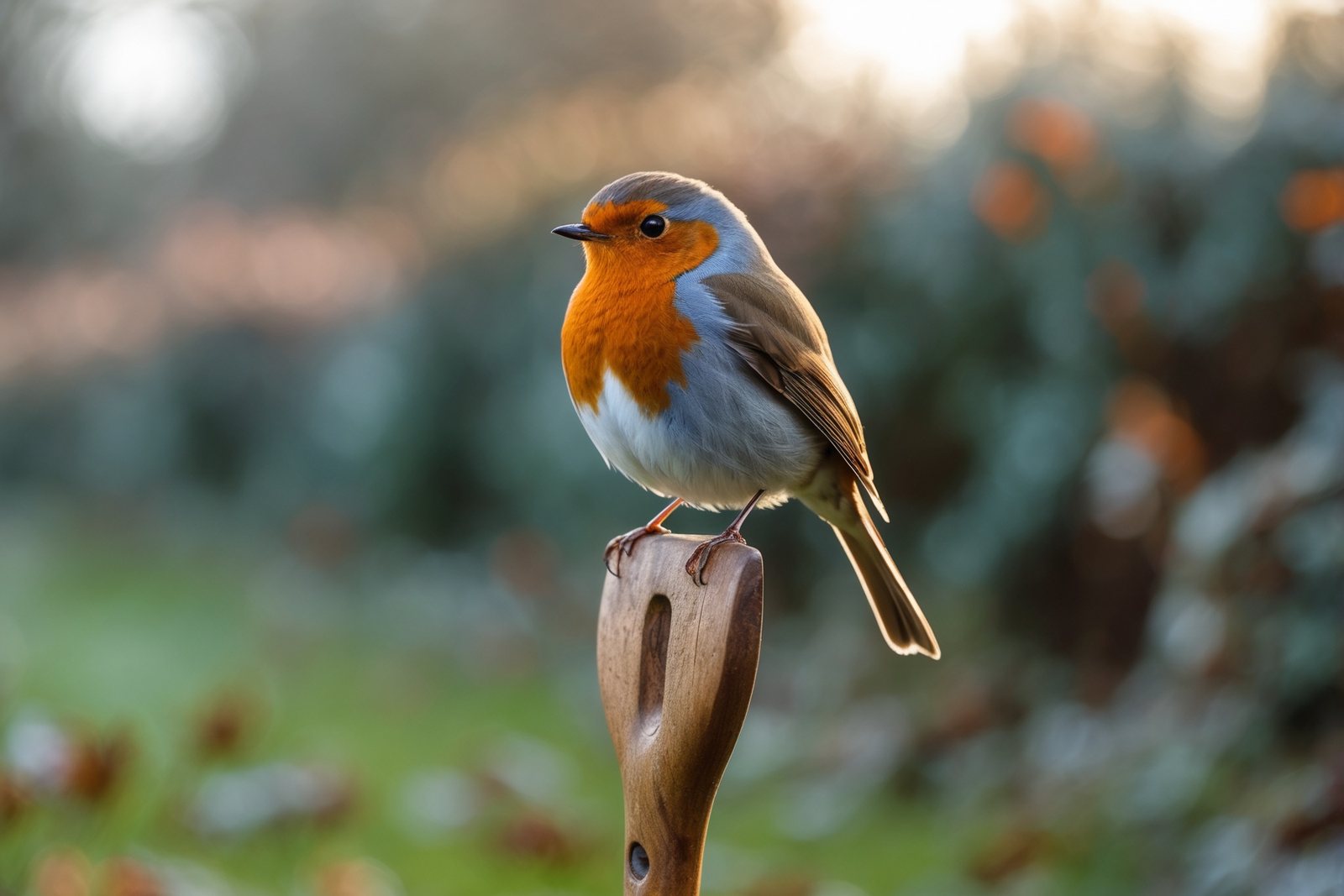
It is easy to assume that birdwatching means standing in a freezing coastal hide staring at distant waders through a telescope. While estuary reserves are wonderful in midwinter, some of the most rewarding birding happens within half a mile of home. Back gardens, city parks, canal towpaths, and quiet churchyards hold dozens of resident and visiting species.
Starting locally lets you learn the twenty most common British birds inside out without travel costs. Once you know the everyday species by shape, flight pattern, and voice, any unusual visitor stands out immediately. Even a ten-minute pause by the kitchen window brings regular seasonal surprises.
Why Late Autumn and Winter Suit Beginners
Spring gets most of the attention because of the dawn chorus, yet May and June are tricky for spotting woodland birds. Once oak, beech, and hawthorn trees are in full leaf, singing warblers and tits vanish behind a dense green screen.
Late autumn and winter make observation much simpler for a newcomer. Deciduous trees drop their leaves, leaving branches bare and easy to scan with 8x42 binoculars. At the same time, frost and shorter days bring woodland birds into gardens seeking reliable food. Local park lakes and gravel pits also fill with wintering ducks from northern Europe — including shovelers, wigeon, teal, and tufted ducks.
Look at Size, Shape, and Behaviour First
When an unfamiliar bird lands on a fence post, the natural instinct is to memorise every feather colour at once. Light plays tricks on colour, however; a starling looks dull grey-black in shadow and glossy green-purple in winter sunshine.
Experienced birders check four structural clues before worrying about fine plumage markings. Focusing on these four points makes identification much faster when you open your printed field guide:
- Relative size and build: Compare the mystery bird against familiar species — is it smaller than a robin, sparrow-sized, or blackbird-sized?
- Bill shape: A short, triangular bill points to a seed-cracking finch or sparrow, while a fine bill belongs to an insect eater.
- Posture and movement: Watch whether it hops boldly across open grass, creeps under hedges like a dunnock, or hangs upside down like a blue tit.
- Bold field marks: Look for a pale eye stripe, a distinct wing bar, or white outer tail feathers when the bird flies.
Setting Up a Clean, Safe Feeding Station
If you have a garden or small yard, a single tube feeder filled with sunflower hearts will attract birds within two weeks. Blue tits, great tits, coal tits, goldfinches, chaffinches, and house sparrows all relish sunflower hearts, which leave no messy husks behind. Adding a wire mesh peanut feeder or a fat-ball holder will also draw great spotted woodpeckers and long-tailed tits.
Hang your feeder within two metres of a dense shrub or hedge so small birds have cover if a sparrowhawk dashes through. Keep the feeder high enough off the ground and away from low walls so neighbourhood cats cannot ambush perching birds. A shallow dish of fresh water for drinking and bathing is just as valuable as seed on freezing mornings.
Hygiene is essential whenever you feed wild birds. Dirty feeders spread serious illnesses such as trichomonosis among finches and greenfinches. Brush out damp food weekly, wash feeders in hot soapy water with a veterinary disinfectant every fortnight, and let them dry fully.
Keep a Simple Window Notebook
You do not need formal spreadsheets or expensive apps to build lasting field craft. Keep a small notebook by the window and jot down the date, weather, and what appeared during your morning tea.
Recording the first winter redwing in a berry tree or a goldcrest in the conifers builds your own seasonal calendar. For advice on choosing affordable binoculars, picking a field guide, and finding free UK bird charities, visit the Birdwatching page in our Hobbies Directory.